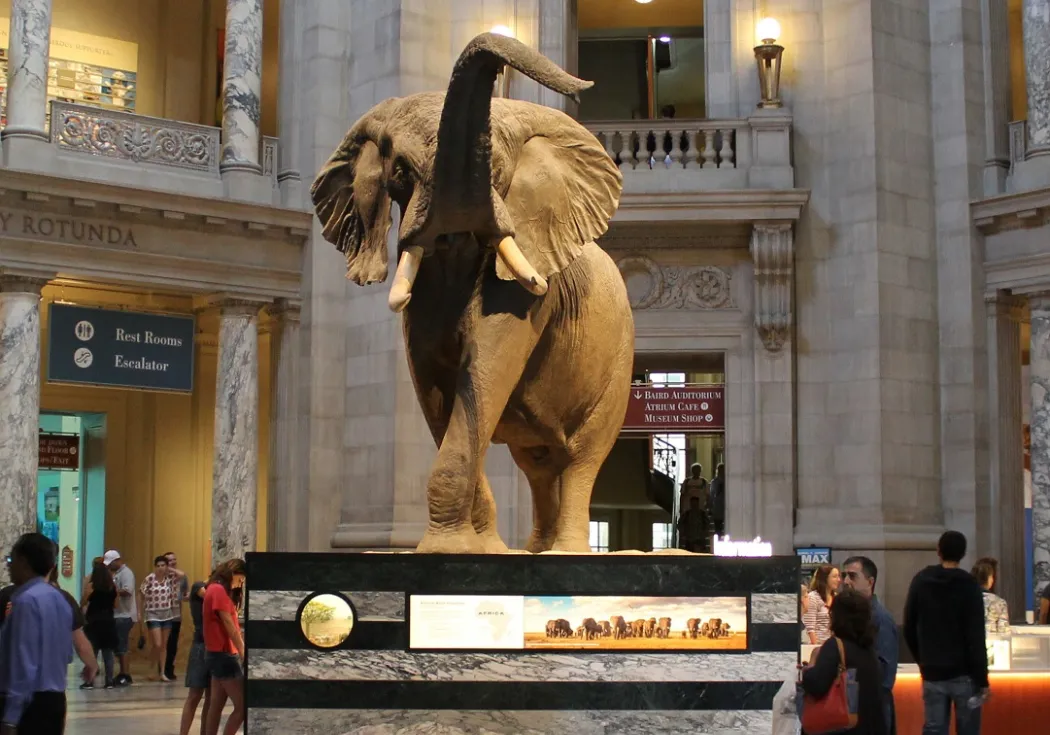
Learn about the ecology of African elephants, their place in geologic time, and their connections to humans, including the threats they face from poachers.
First Floor | Exhibit
African Voices
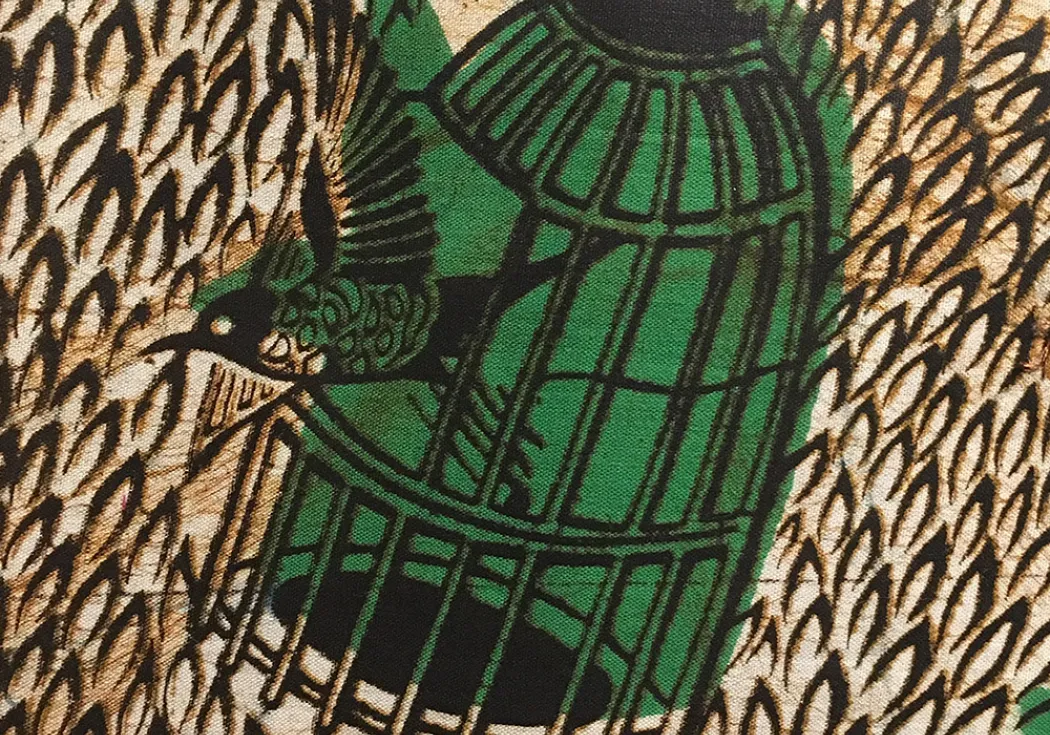
Examine the diversity, dynamism, and global influence of Africa's peoples and cultures over time in the realms of family, work, community, and the natural environment.
Second Floor | Temporary Exhibit
Barro Colorado Island 100 Years of Discoveries and Wonder
Step into a tropical lowland forest where vested anteaters, tapirs and coatimundi’s share their island home with Smithsonian researchers, whose 100 years of research informs tropical forest conservation initiatives worldwide.
Second Floor | Exhibit
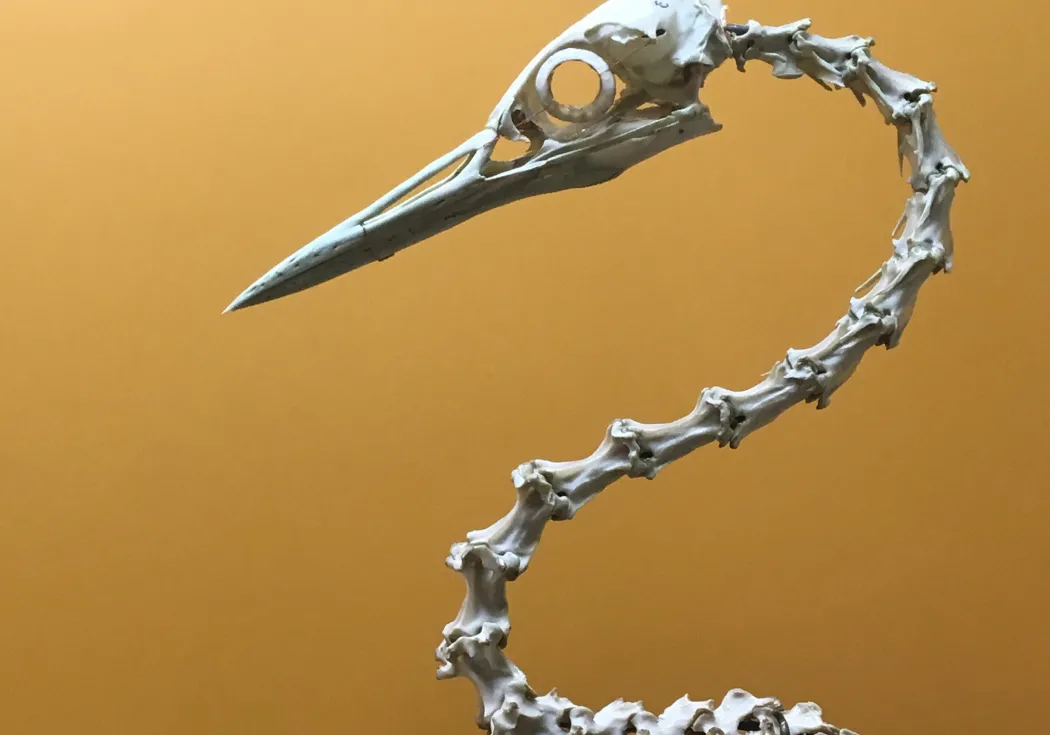
Bone Hall
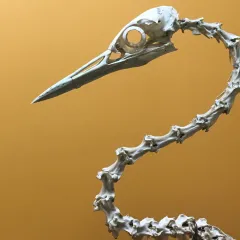
Compare and contrast the skeletons of flying fish, a massive sea turtle, snakes, a giraffe, monkeys, and many more vertebrates. Learn what skeletons tell us about how different animals live.
Second Floor | Experience
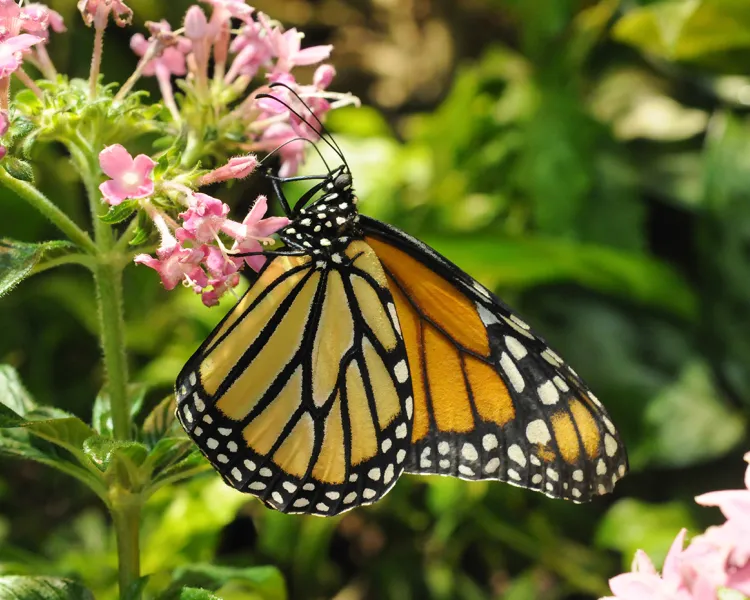
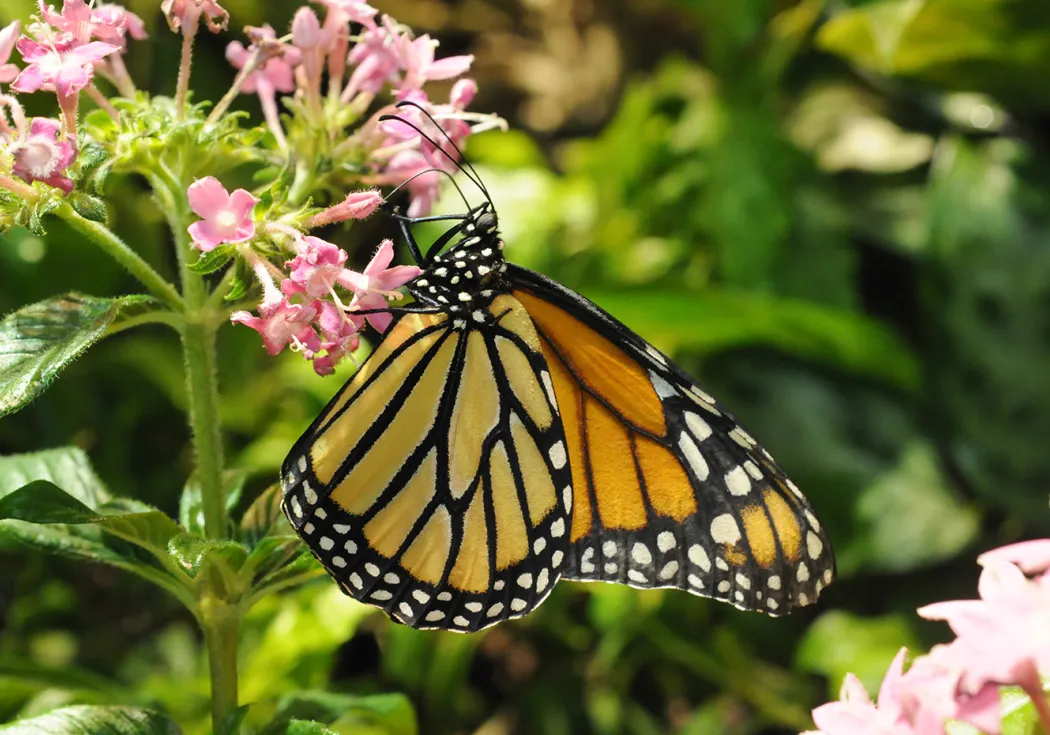
Butterfly Pavilion
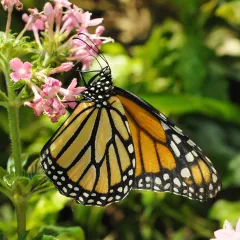
Walk through our butterfly pavilion filled with tropical plants and live, flittering butterflies. Explore how plants and butterflies have evolved in response to each other.
Second floor | Special Exhibit
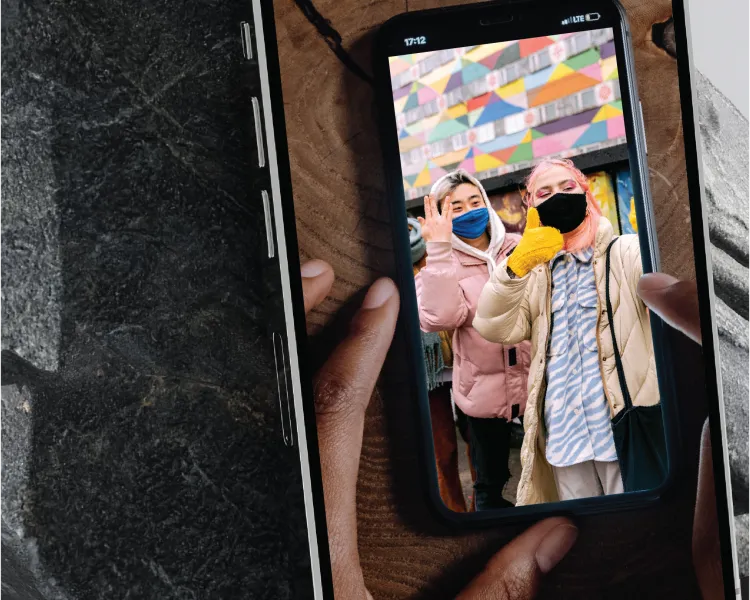
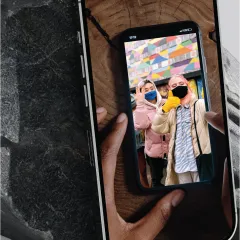
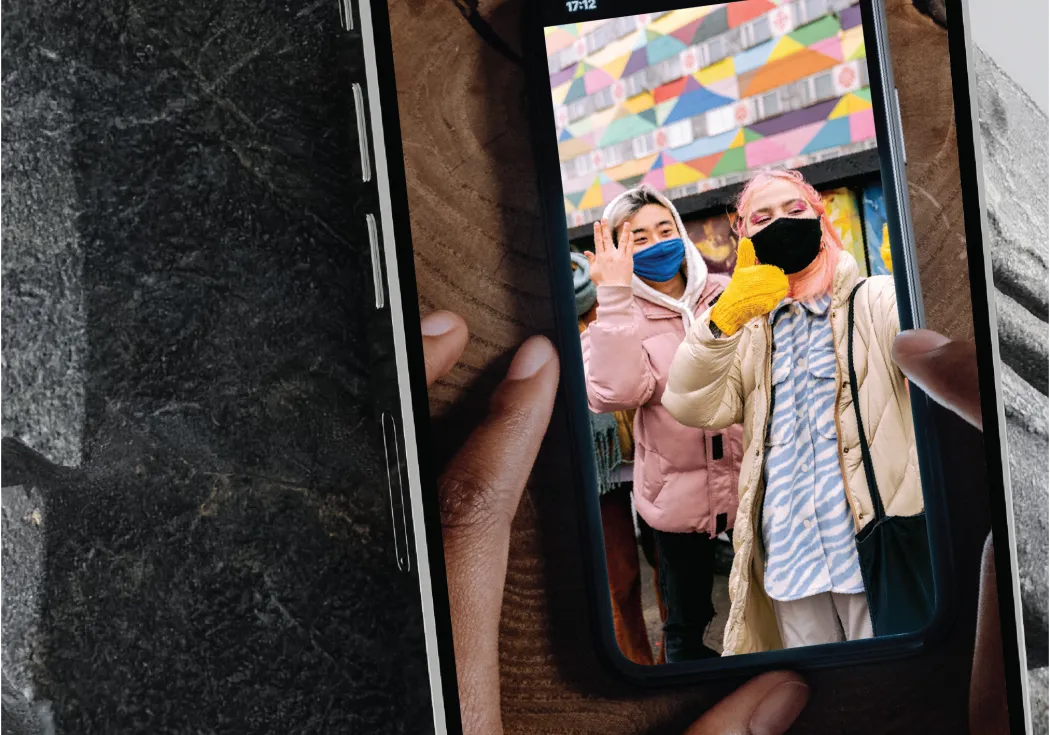
Cellphone: Unseen Connections
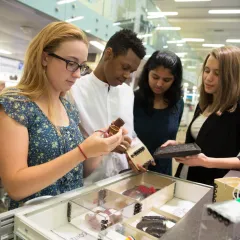
What’s inside your cellphone? Explore its materials, meet some of the people who make it possible, and consider how your phone influences your life—and connects you to the natural world.
FIRST FLOOR | EXHIBIT
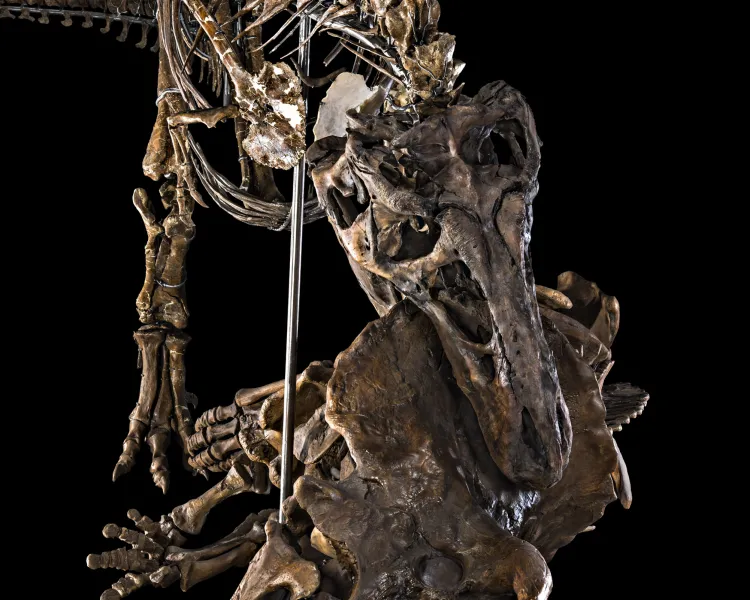
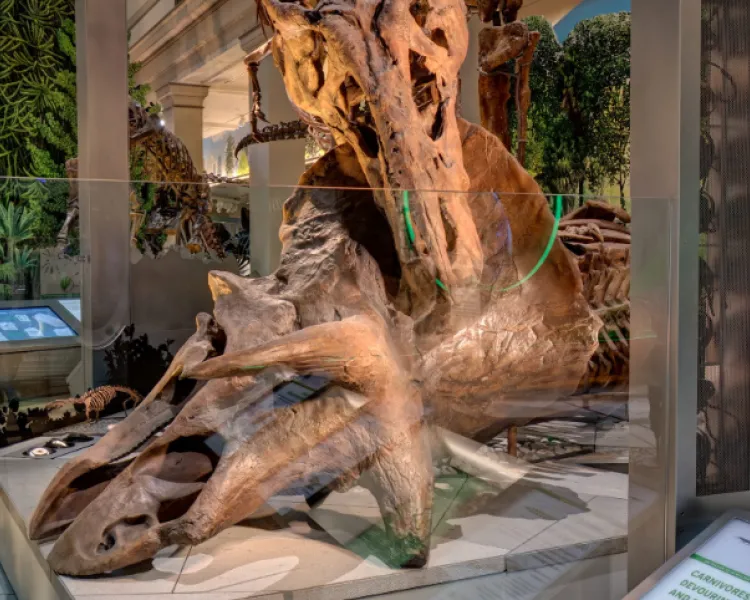
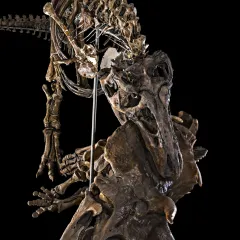
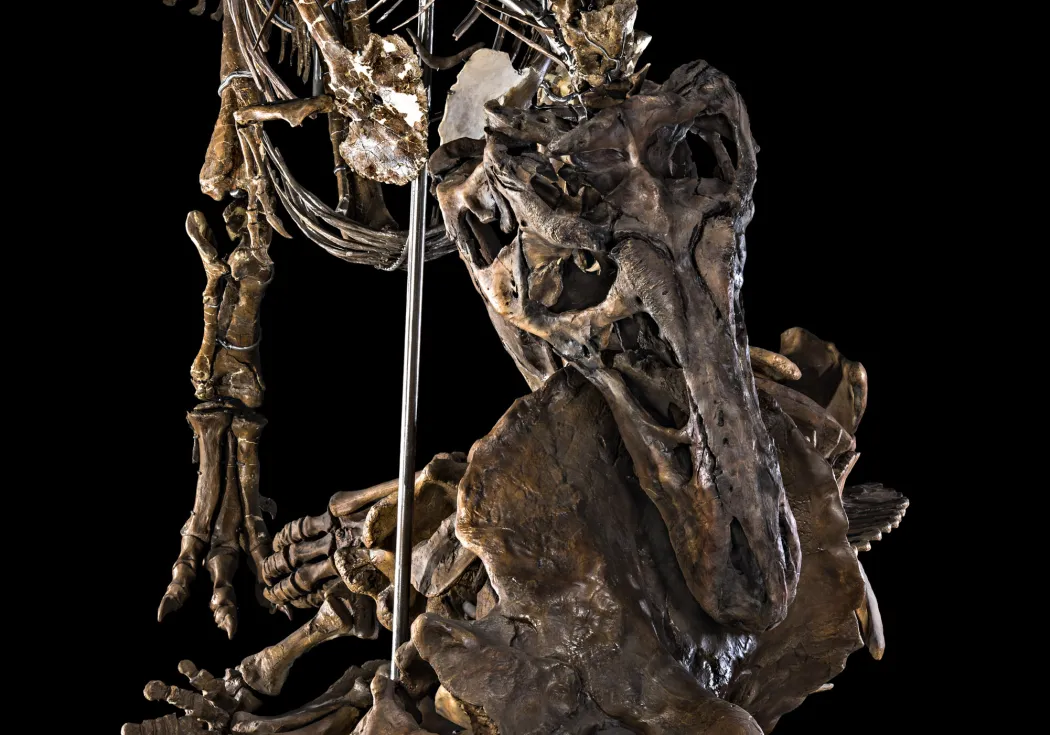
David H. Koch Hall of Fossils - Deep Time
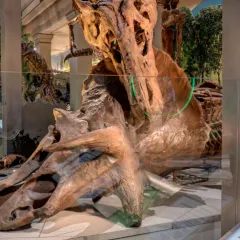
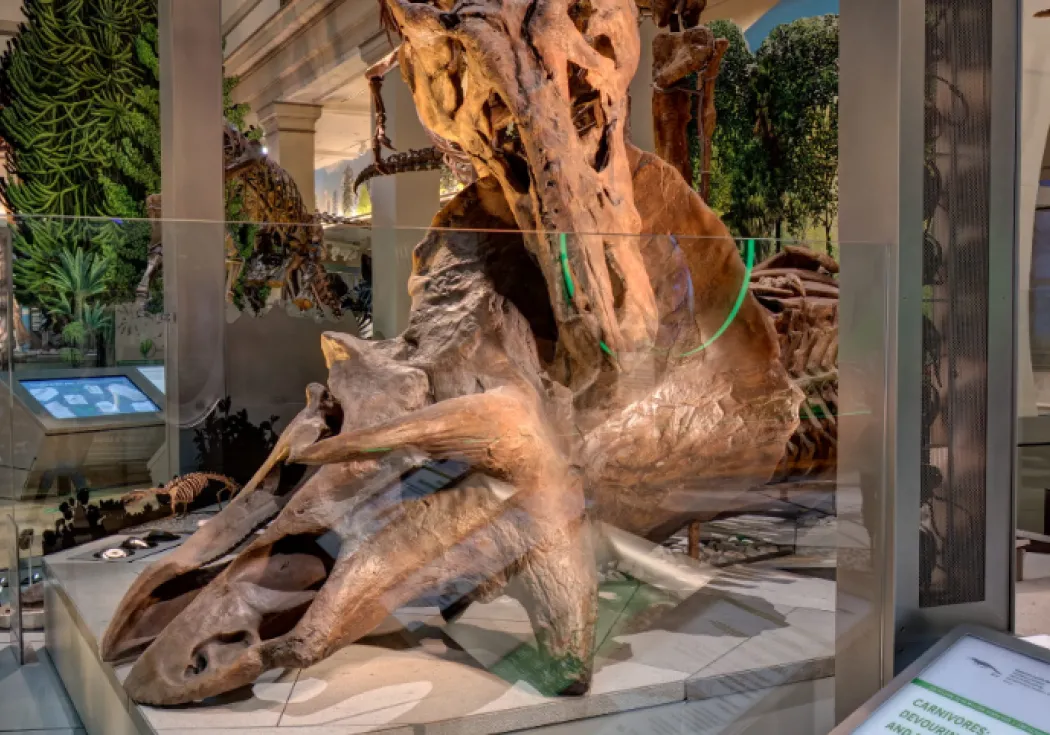
Journey through time from the beginning of life on Earth through the reign of the dinosaurs to the present, a time of immense planetary changes.
First Floor | Exhibit
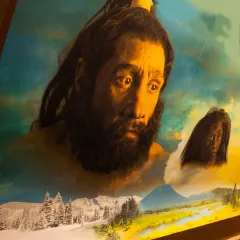
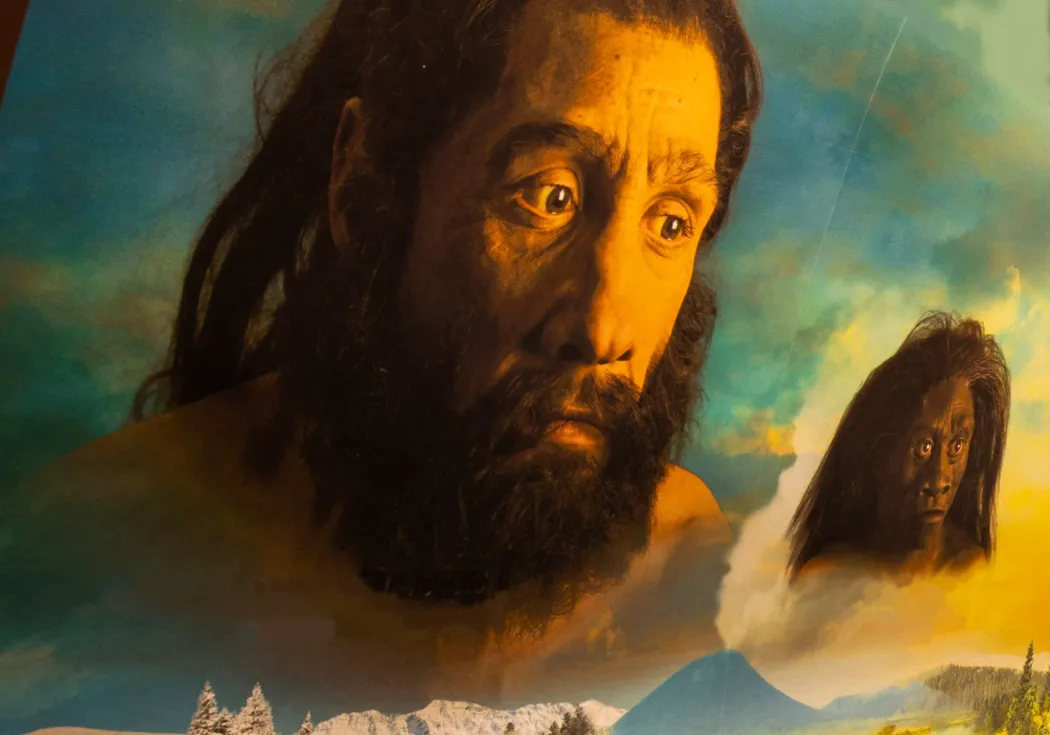
David H. Koch Hall of Human Origins
Meet your closest ancestors and relatives in this exploration of human evolution. Discover fascinating stories of extinction and survival, and learn what set us apart from other species.
Second Floor | Exhibit
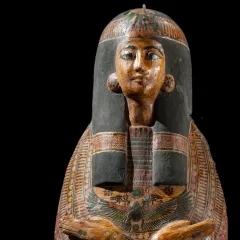
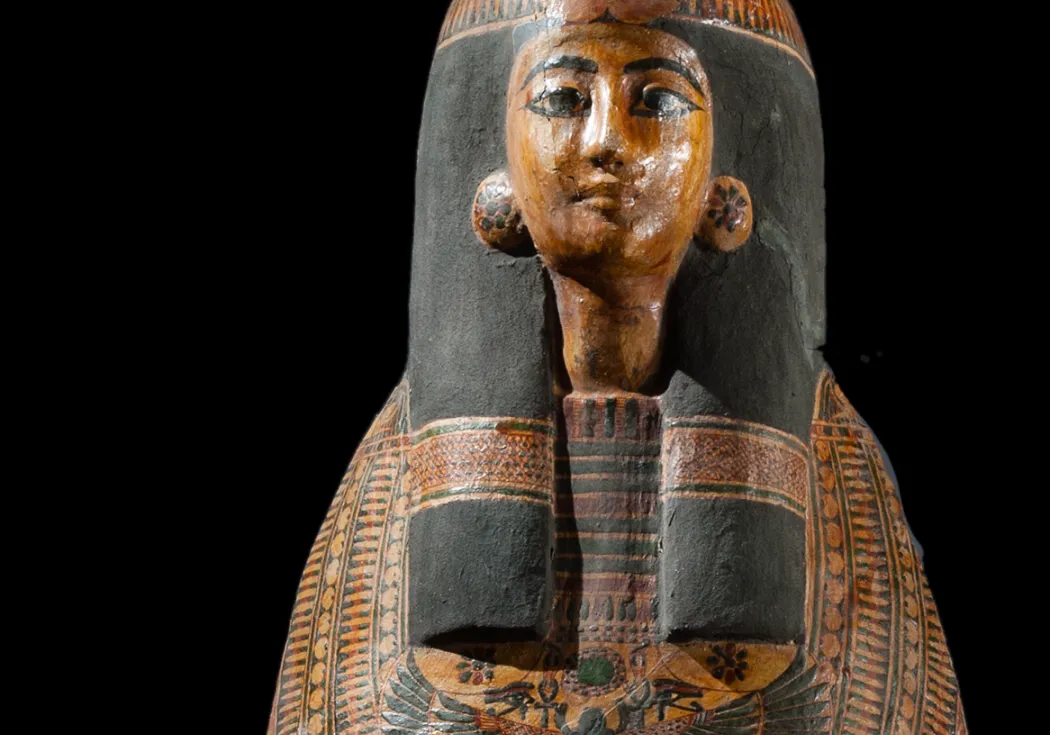
Eternal Life in Ancient Egypt
Uncover the world of ancient Egypt through the ceramics, tools, and jewelry found in ancient tombs, along with four mummies from over 2000 years ago that have been uncovered through modern science and technology.
Second Floor | Exhibit
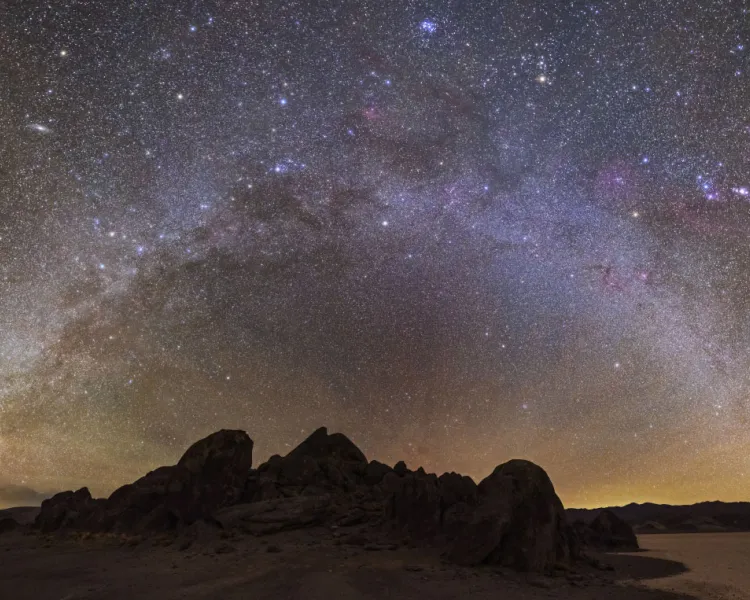
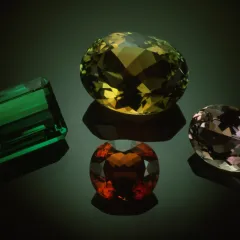
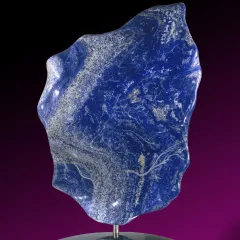
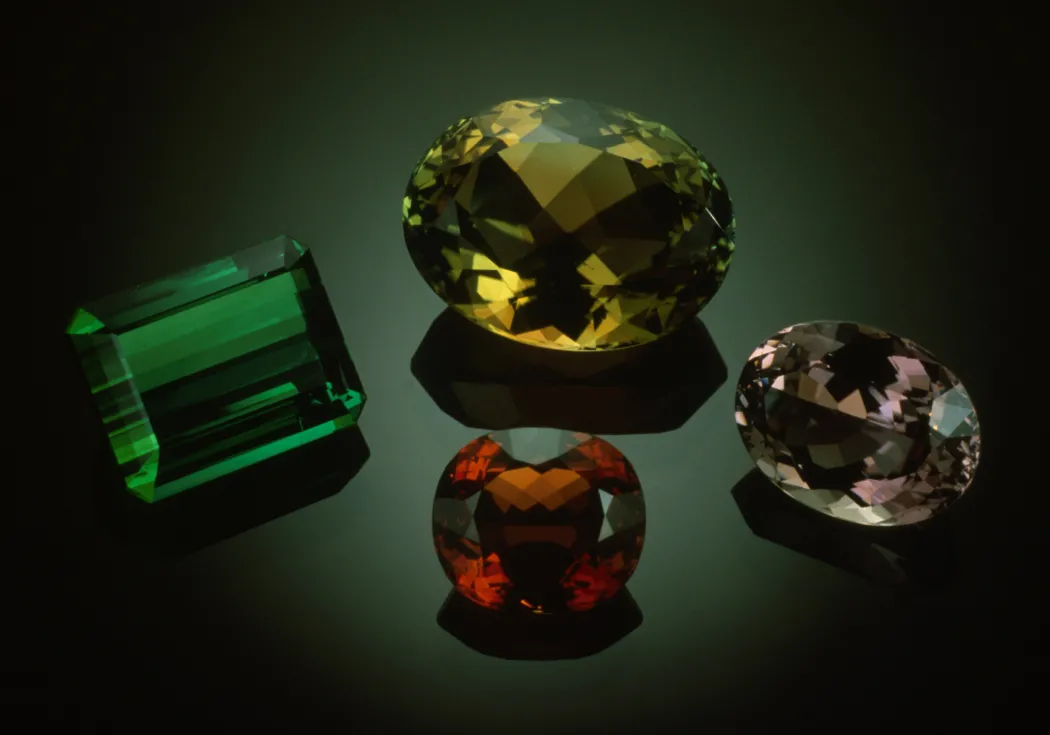
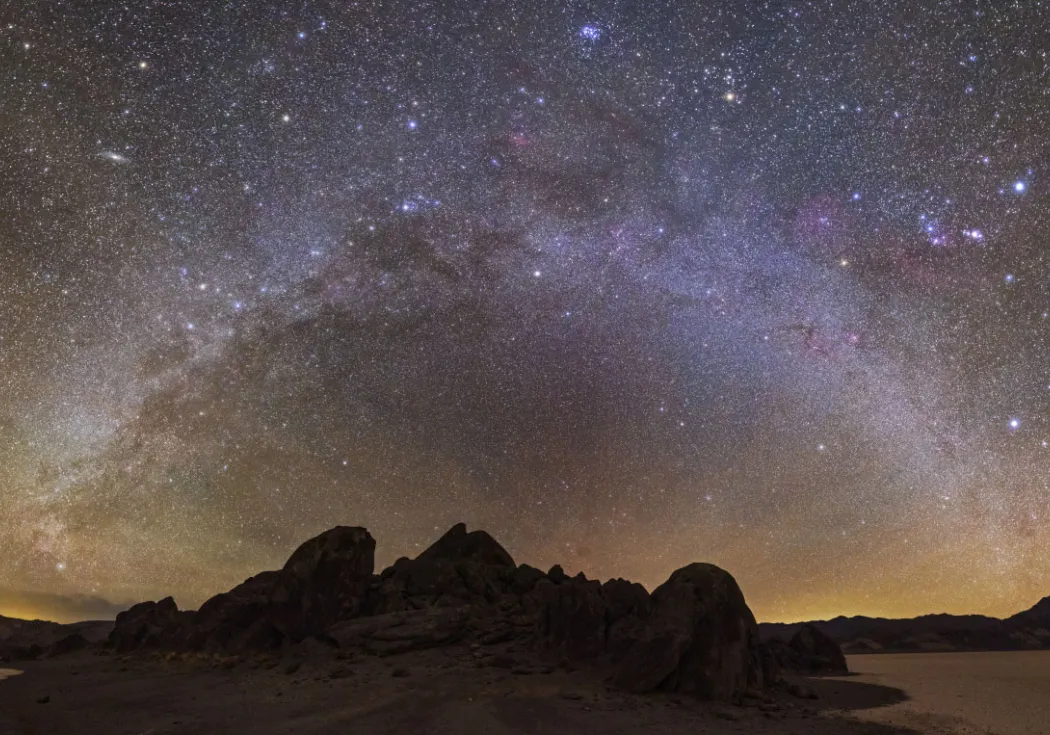
Janet Annenberg Hooker Hall of Geology, Gems, and Minerals
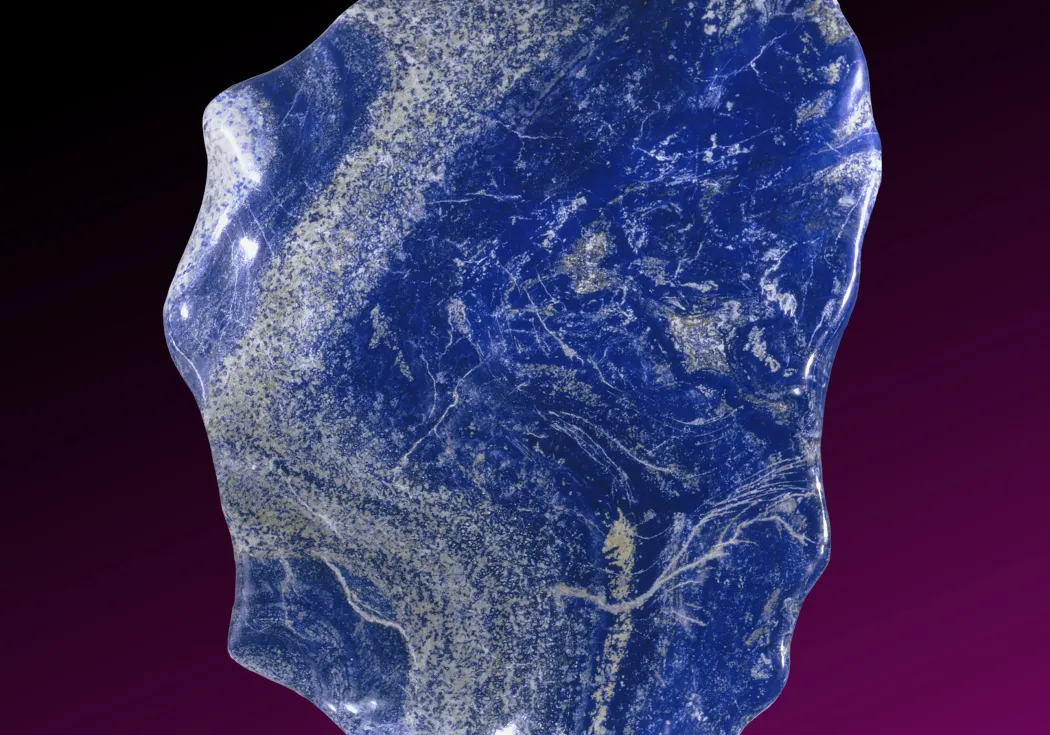
Dig in to unearth the secrets of our planet’s gems, minerals, rocks, earthquakes, and volcanoes. Examine meteorites that hold the mysteries of the formation of our solar system.
First Floor | Exhibit
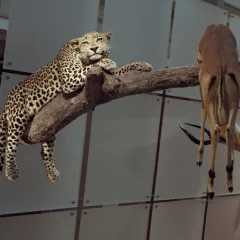
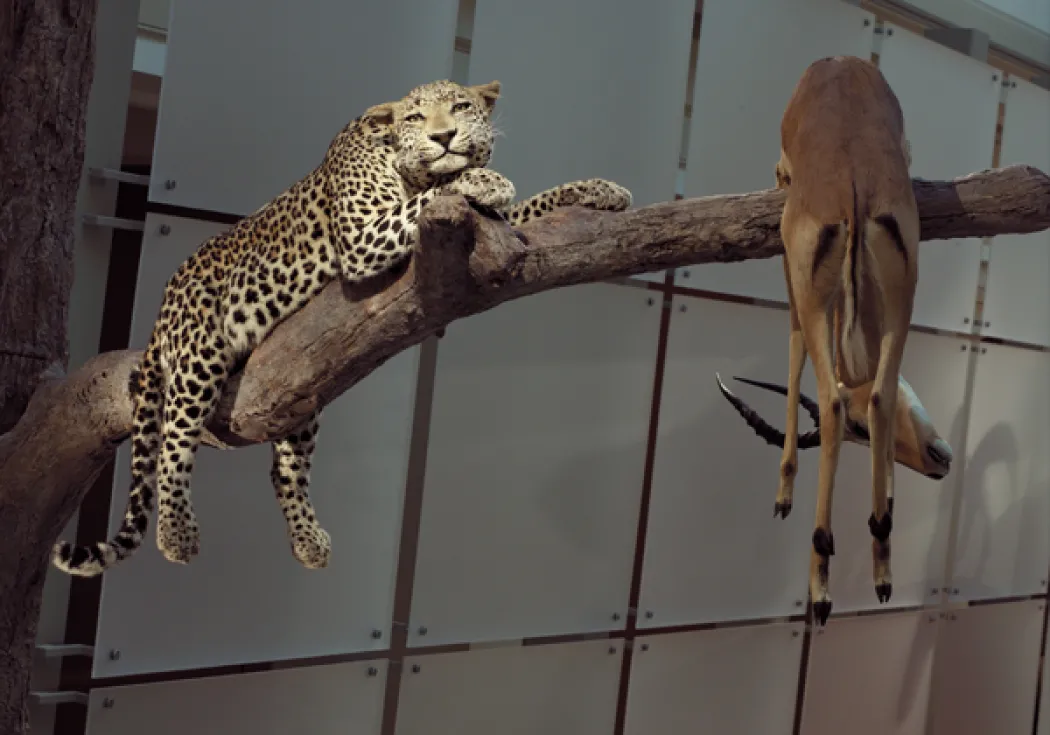
Kenneth E. Behring Family Hall of Mammals
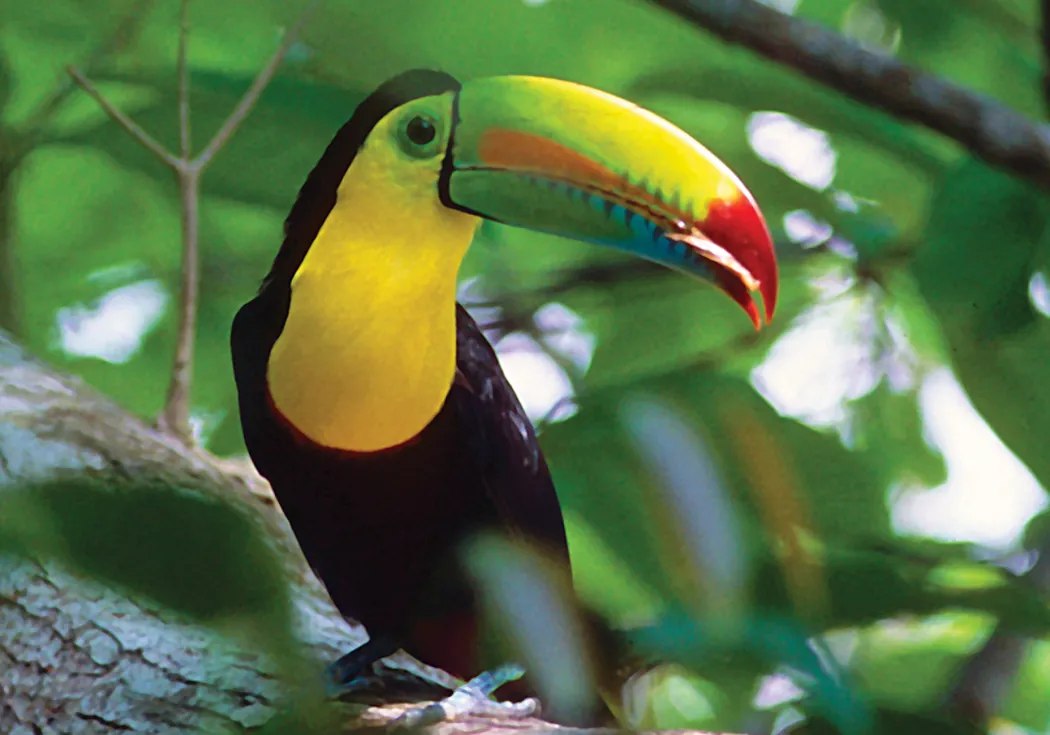
Can you find a leaping tiger, a pink fairy armadillo, or a South American kinkajou? These animals, many of which you can’t see anywhere else, highlight the incredible variety of the mammal family.
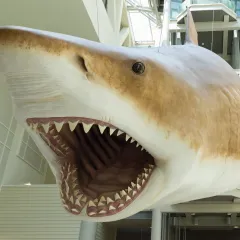
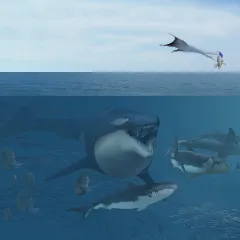
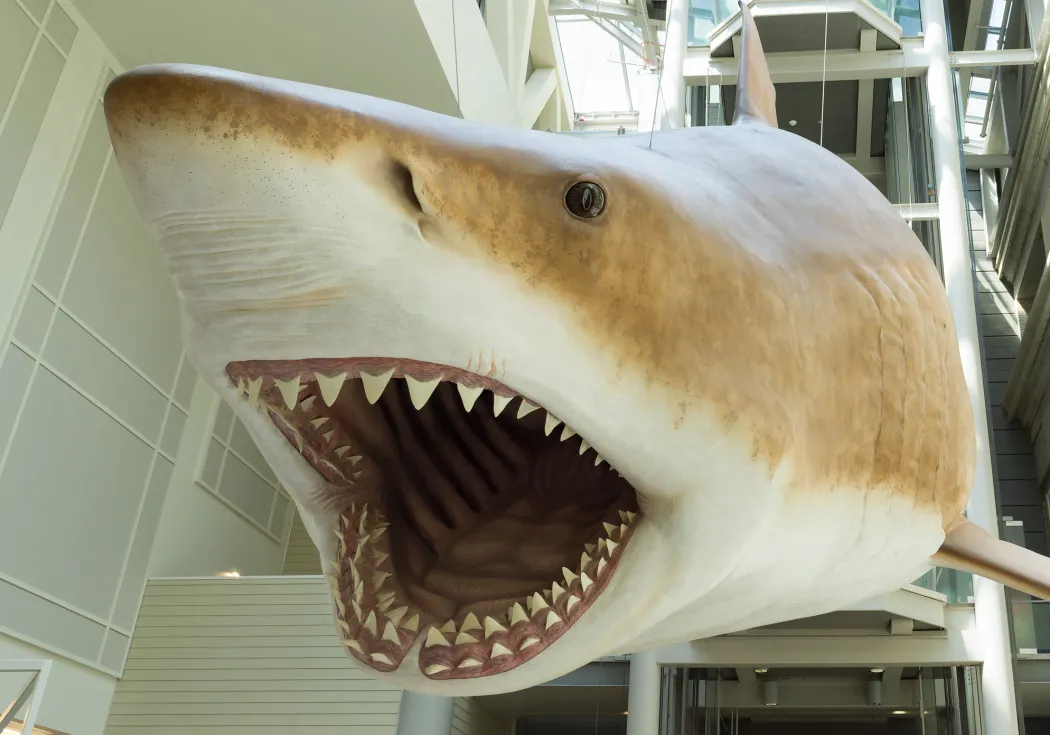
Come face-to-face with a 52-foot-long model of a female mega-toothed shark suspended above our new dining area.
Ground Floor | Exhibit
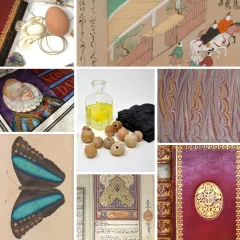
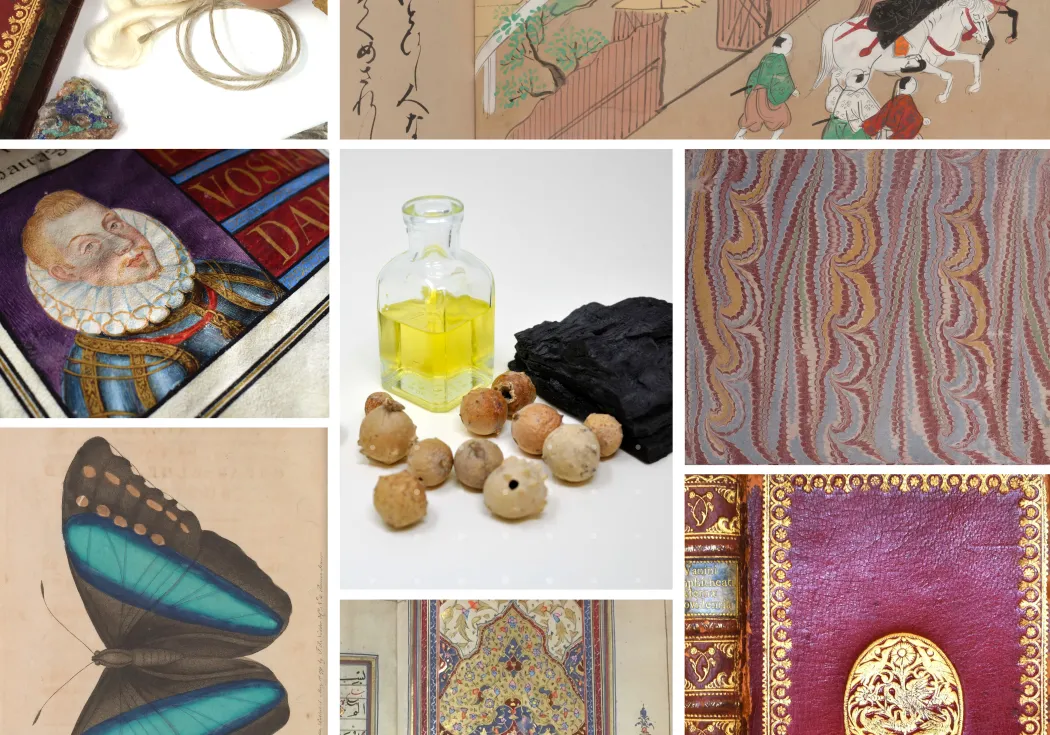
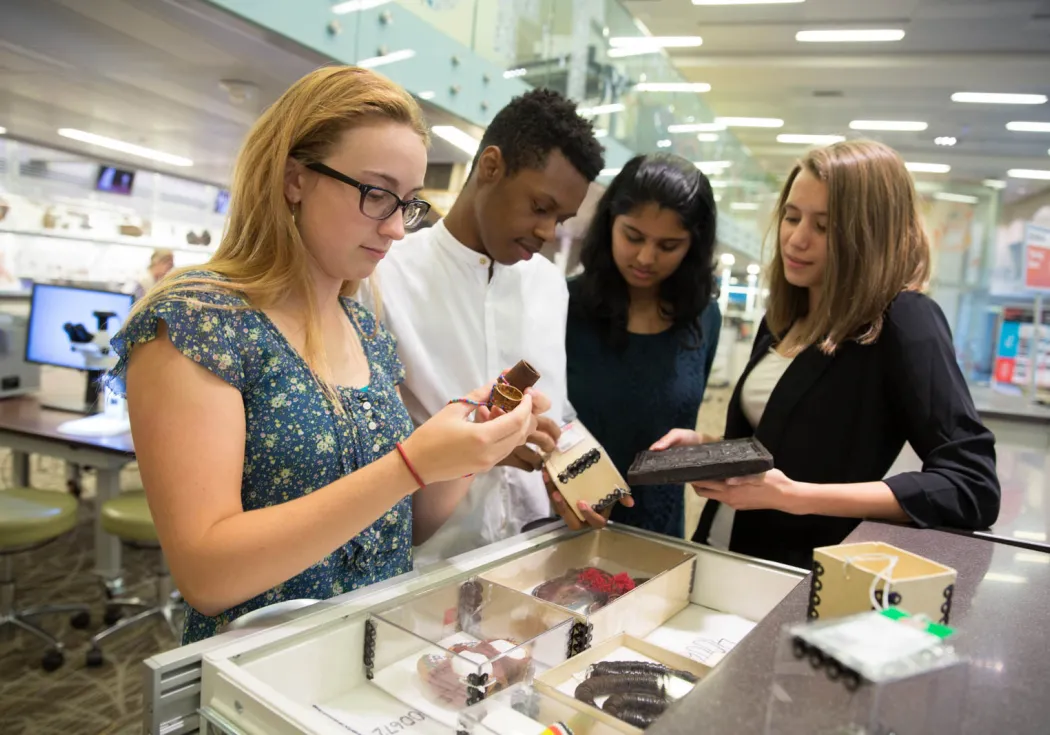
Nature of the Book
Explore the craft, innovation, and global influence in early handmade books through the natural materials—animal, vegetable, and mineral—that went into their making.
Second Floor | Exhibit
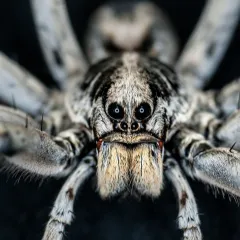
O. Orkin Insect Zoo
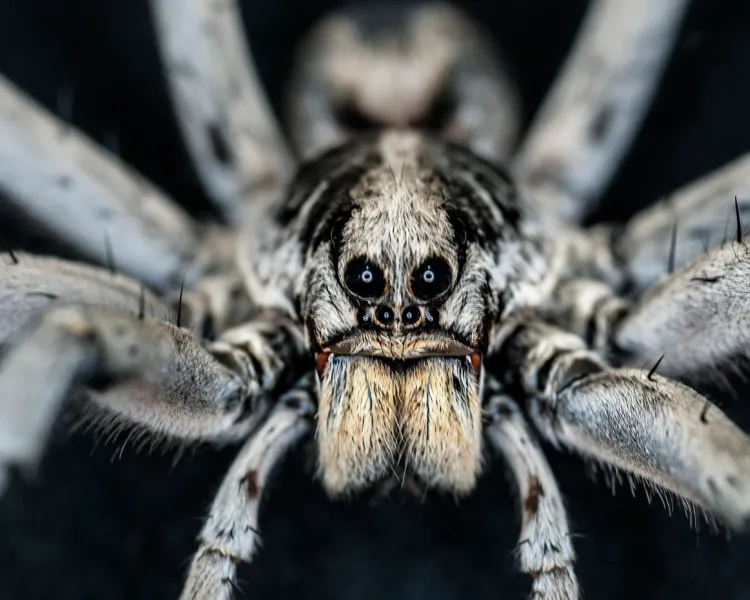
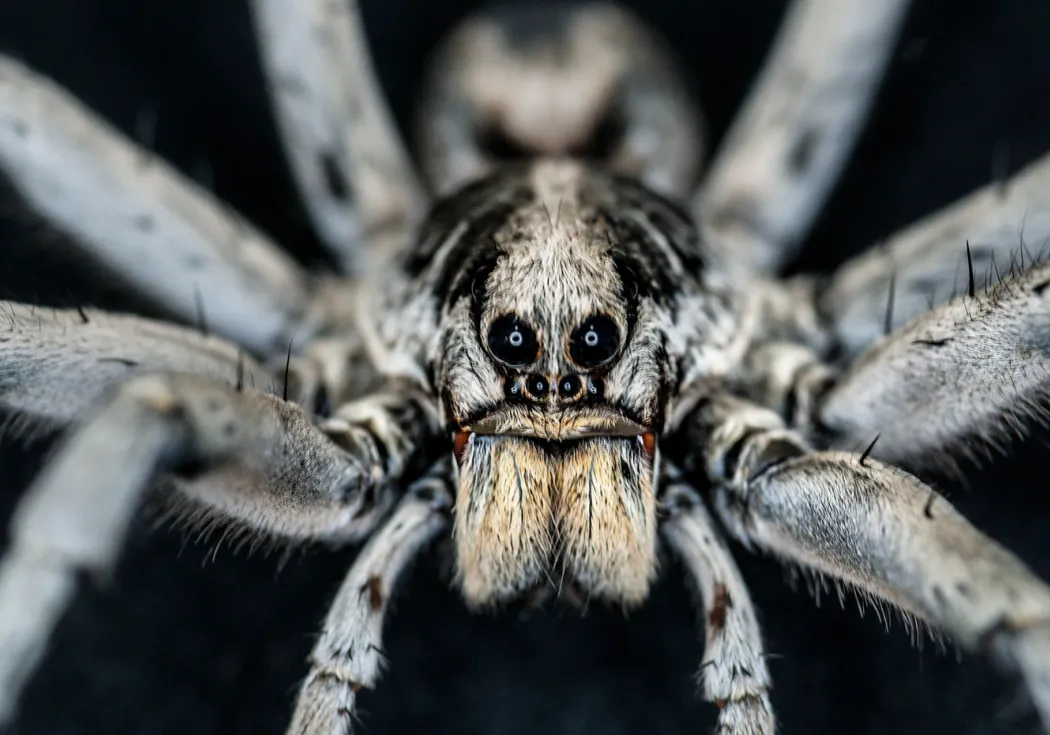
Get up close and personal with live insects and their many-legged relatives. Watch a tarantula eat lunch and hold a hissing cockroach. Learn about the diversity of bees, flies, and other insects.
Second Floor | Exhibit
Objects of Wonder
Explore the breadth, depth, and splendor of the world's most extensive natural history collection. View some of the most intriguing, beautiful, and awe-inspiring objects in our collection.
First Floor | Temporary Exhibit
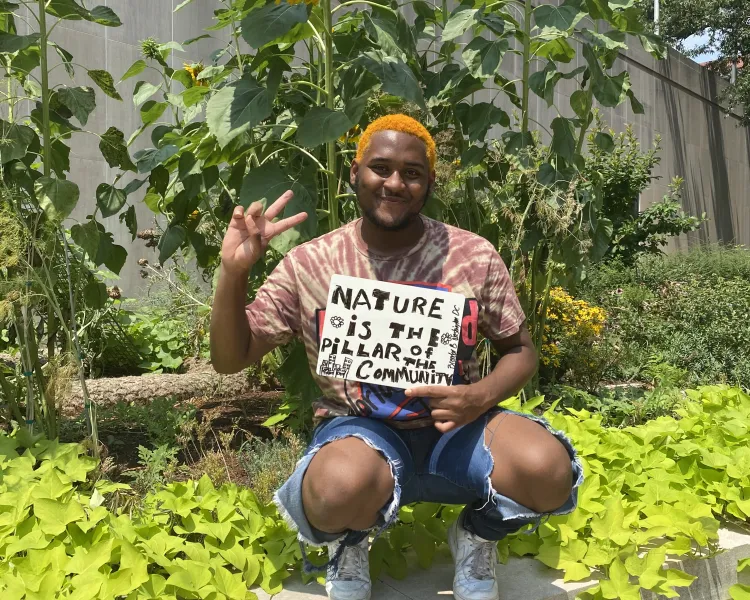
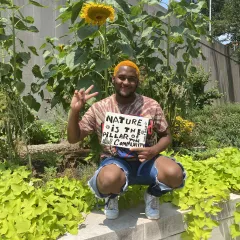
Our Places: Connecting People and Nature
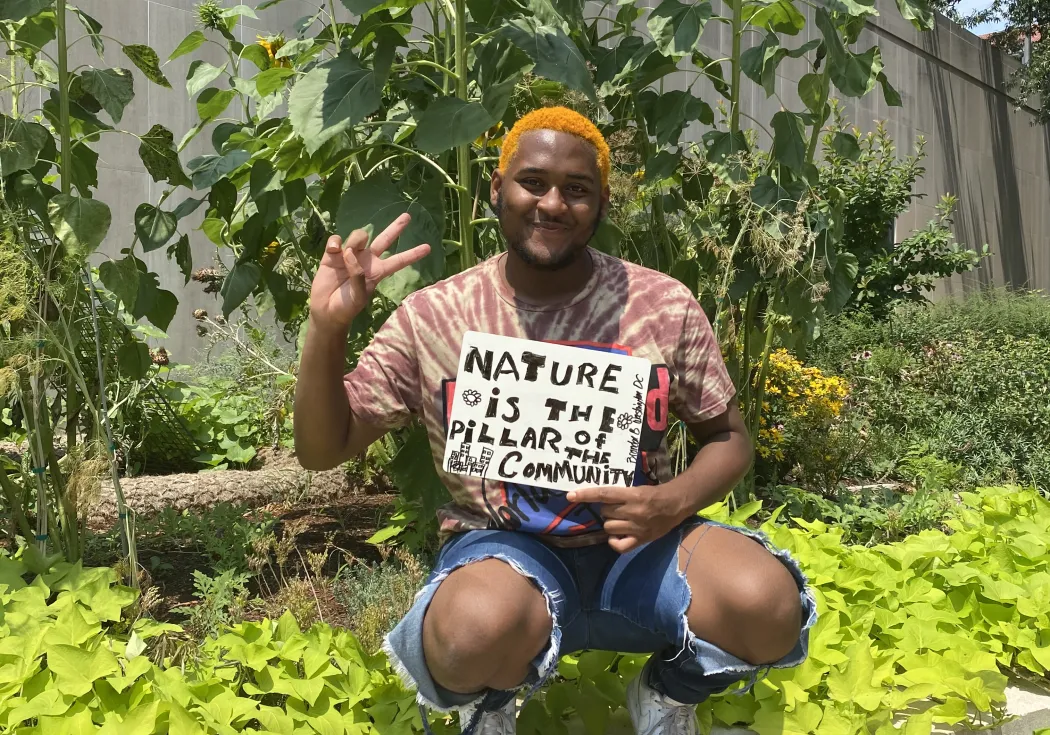
Explore inspirational stories about the places and connections to nature that changed people’s lives. Participate in activities to explore and share your own personal story. Add YOUR voice to make the museum and the world a better place for people and nature.
Currently Closed: Check Back for Reopening Date
Q?rius jr. – Now located in Q?rius
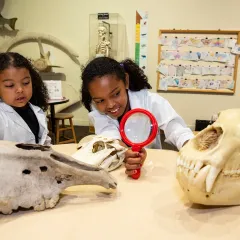
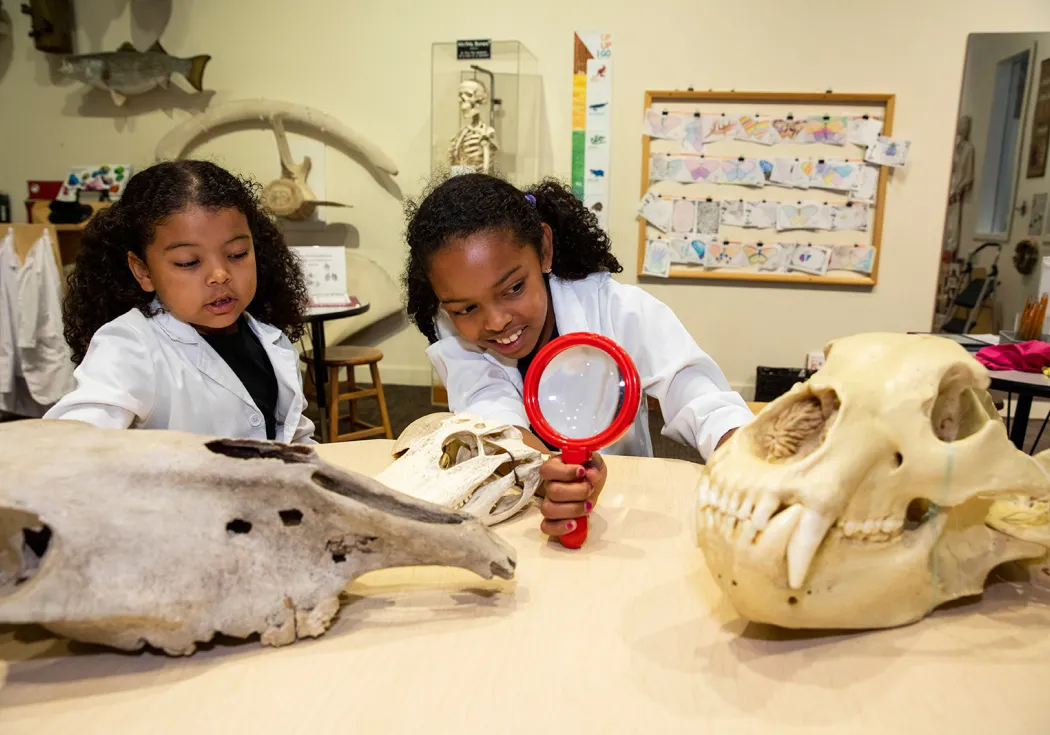
Students in grades K-5 get a chance to practice their scientific inquiry skills as they interact with items from the museum’s collections.
Currently Closed: Check Back for Reopening Date
Q?rius, The Coralyn W. Whitney Science Education Center
Get details about this interactive learning space, including location, hours, events, and activities.
First Floor | Exhibit
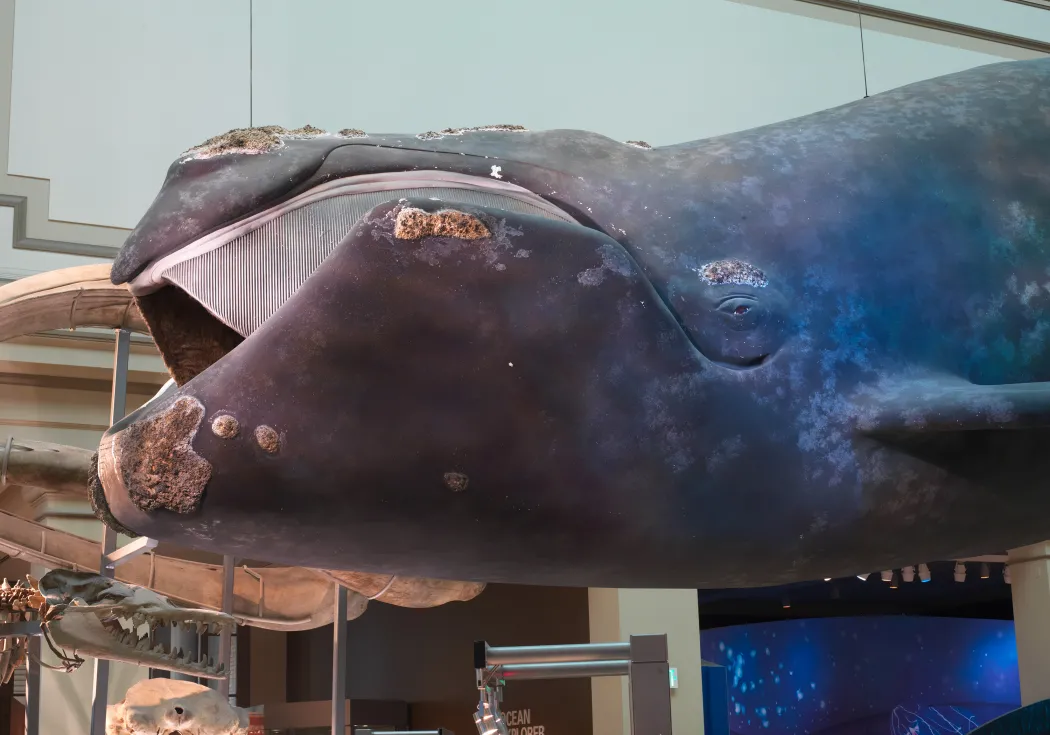
Sant Ocean Hall
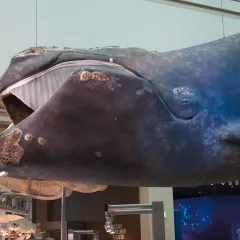
Dive into the ocean, from the shore down to the ocean floor. Travel through time, from the origins of the ocean 3.8 billion years ago to the challenges and opportunities the ocean presents today.
First Floor | Temporary Exhibit
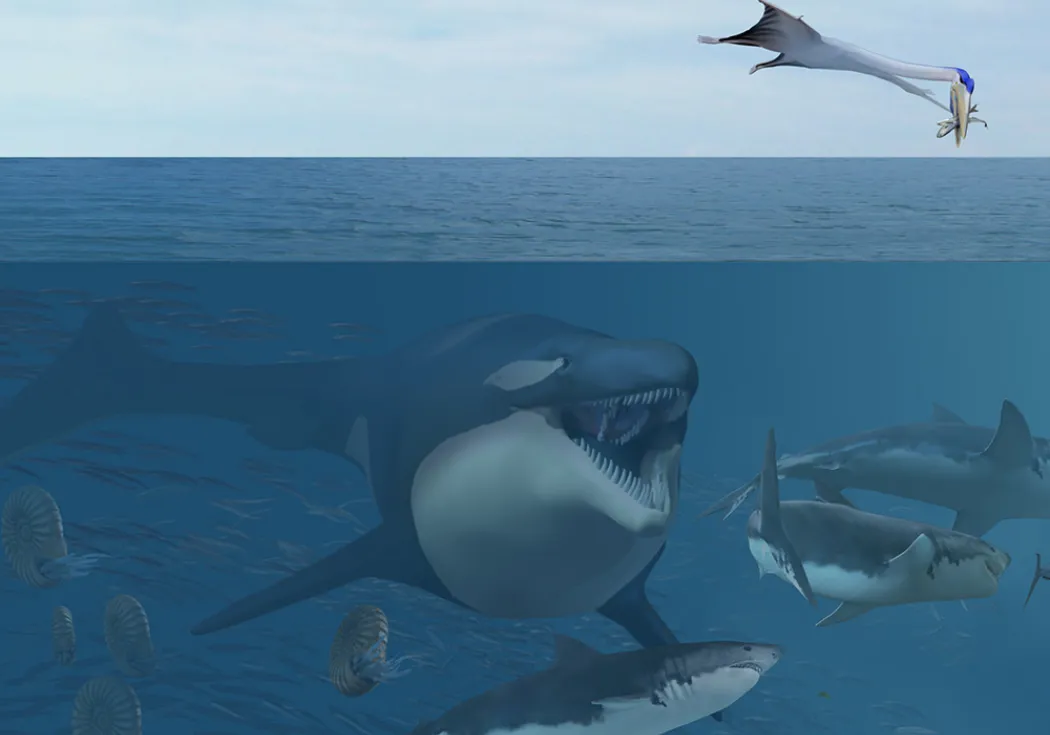
Sea Monsters Unearthed: Life in Angola’s Ancient Seas
Get up close to the fossil remains of giant reptiles—mosasaurs, plesiosaurs, and sea turtles— that once ruled the sea off the coast of West Africa 88 – 66 million years ago.
Image Credit: Karen Carr Studio Inc. for the Paleo Angola Project and SeaMonsters Unearthed.
Second Floor | Experience
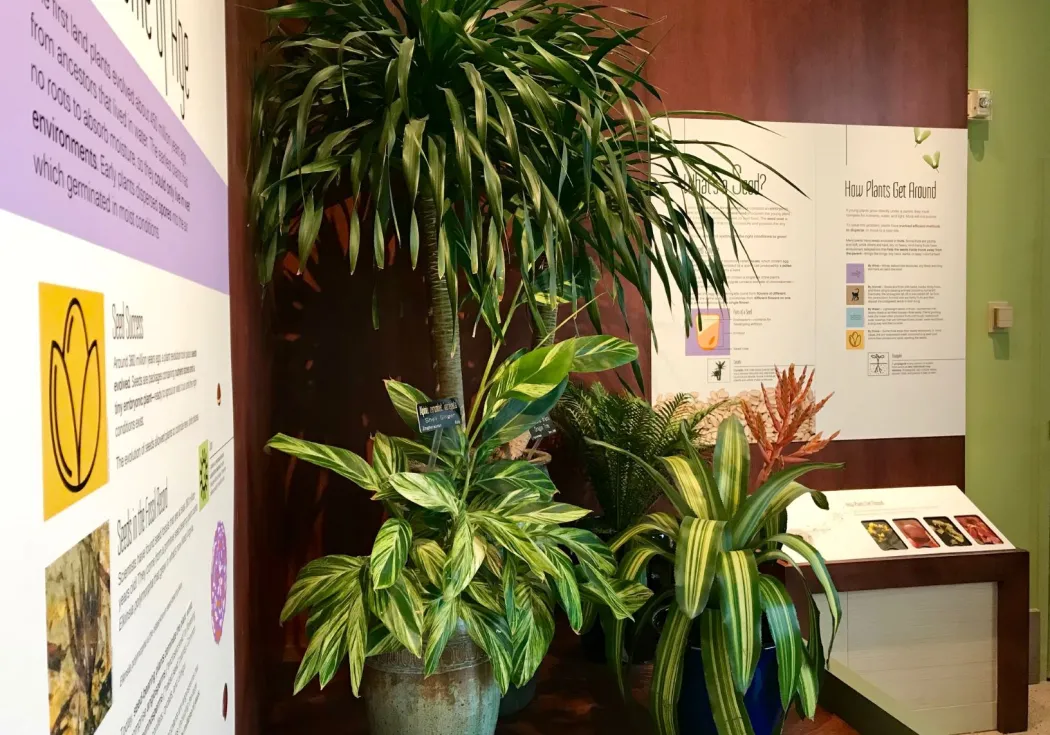
The Garden Lounge
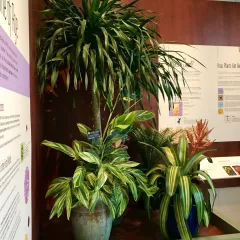
Relax and recharge among an indoor garden of live plants. While you soak in the green, learn why and how plants “move” to survive and thrive.
Online
Virtual Tour
Visit our exhibits, past and present, all from the comfort of home!