- NMNH Home ›
- Education ›
- Exhibition Resources ›
- Sant Ocean Hall
Sant Ocean Hall
At a Glance
- Exhibition Website
- Ocean Portal
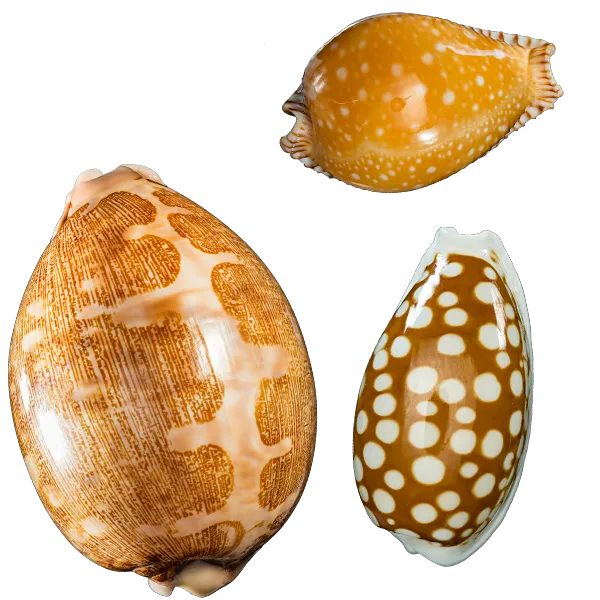
- Recommended Discovery Room Program: Classifying Shells (K-2) PDF or MS Word
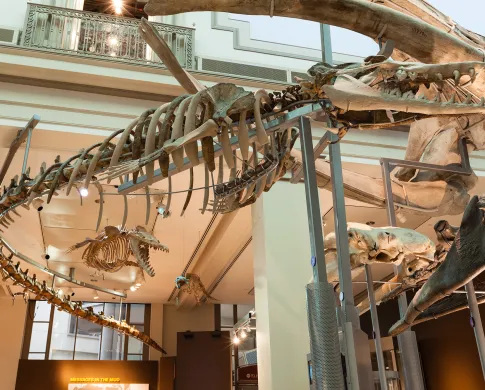
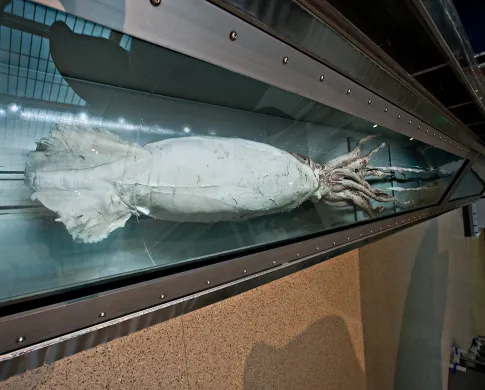
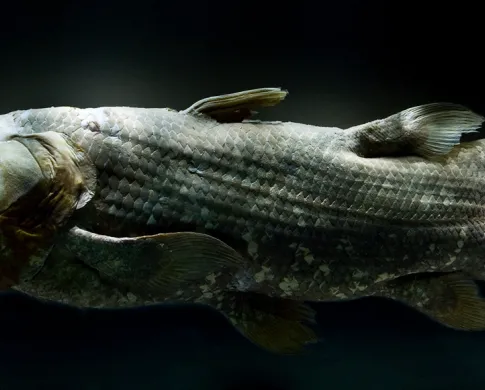
The Sant Ocean Hall presents the global ocean from a cross-disciplinary perspective. The Ocean and the Sant Ocean Hall intersect with curriculum topics from Biology, Geology, Anthropology, Physics, Weather, and other science themes. When students explore the Hall, they have first-hand access to unparalleled scientific collections of the Museum, as well as ongoing research in marine science.
The Hall and the associated resources are designed to help your students understand Ocean science through the eyes of scientists. The resources will also help students to make personal connections to the Ocean – no matter where they live – and take the challenge of protecting this invaluable resource as a lifelong Ocean Friend.
Expand Your Experience:
For Field Trips
Educator's GuideEngage your students in the search for evidence addressing their own questions with guided preparation for their visit to the Sant Ocean Hall. Activities are differentiated for students in grades 4-6, 7-9, and 10-12. Connections to National Science Education Standards and Ocean Science Literacy Principles are included.
Sant Ocean Hall Family GuideCreated for families to use when visiting the exhibition, the Family Guide can also help to focus students on a field trip to the Sant Ocean Hall. It includes a map and question prompts that students and chaperones can use to make a personal connection to main themes and objects in the Hall.
Beyond the Classroom
Ocean PortalThe Ocean Portal is the third pillar of the Smithsonian Institution’s Ocean Initiative along with the Sant Ocean Hall and the Sant Chair of Marine Science. These pillars were developed to hold up the Smithsonian’s mission to increase the public’s Ocean understanding and stewardship. Check out the Educators' Corner for lesson plans, activities, and more.
Coral Reef InteractiveThis web-based tool is designed for students to take on the persona of a local resident, a hotel manager, or a tourist. In these roles, they weigh the interdependence between the economic and social impact of human activity and the biological needs of a coral reef and its conservation.
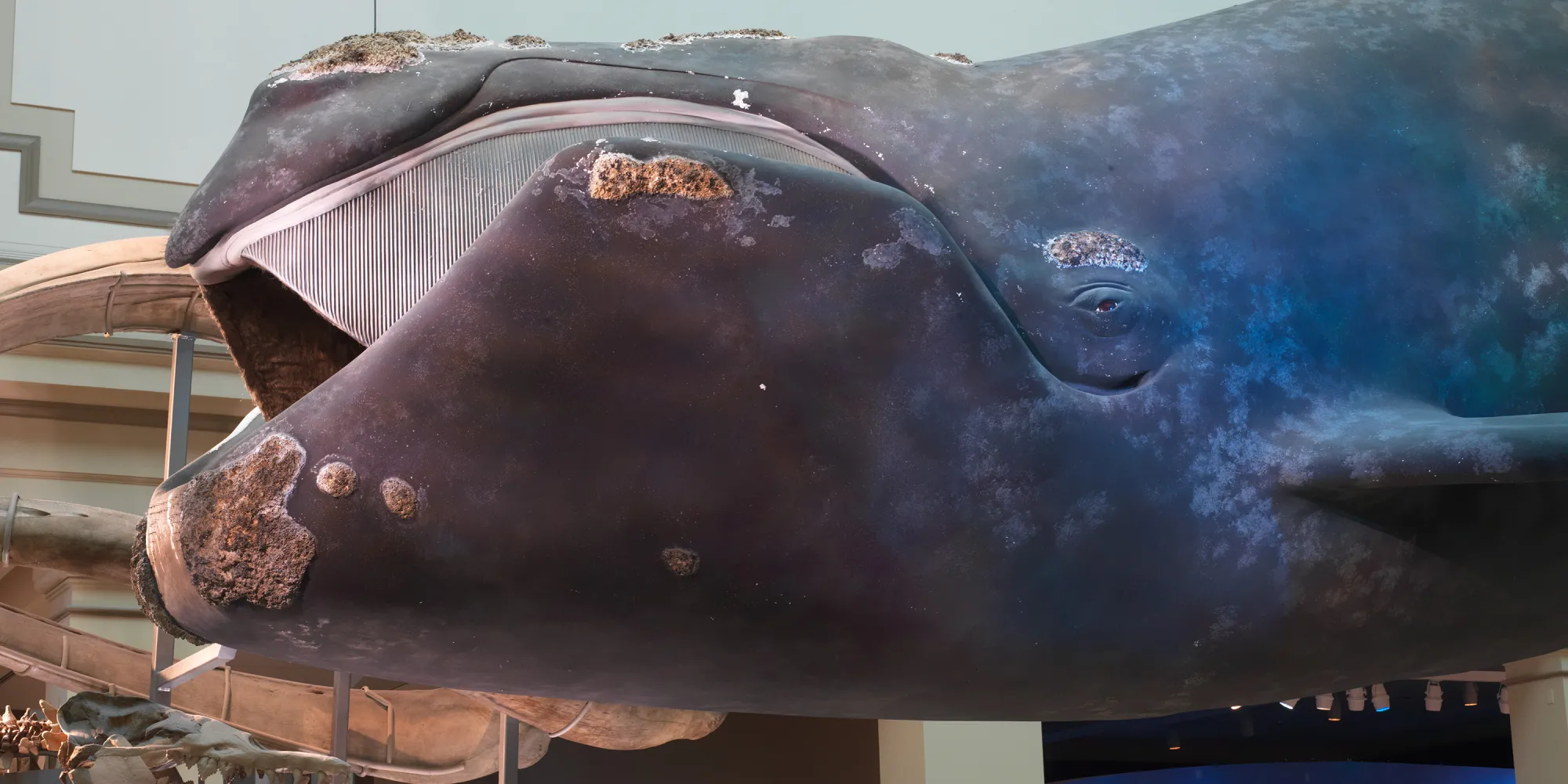
Listening for Right WhalesThe North Atlantic right whale is one of the most endangered marine mammals in the world, with only 350 surviving. Introduce your students to the work of researchers who use sound recordings to study and help protect these majestic giants and invite them to listen in.
For the Classroom
Ocean Science at the National Museum of Natural HistoryStudents can explore the marine collections of the Museum, explore field stations where our scientists collect specimens and conduct research, and discover the marine science program.
Ocean Living Photo GalleryThe ocean teems with life—from dazzling green anemones to adorable seal pups. You and your students can take a closer look at a sampling of the incredibly diverse aquatic community in the National Zoo’s Ocean Living Photo Gallery. It includes links to fact sheets about some of the animals featured.
Beaked Whales Identification GuideSee whales as you have never before seen them in the Beaked Whale Identification Guide.
What You Can Do (for the Ocean)This list presents some common – and not-so-common – ways for students to learn how they can help preserve the Ocean and its diversity for future generations.
Jellyfish RomanceThis article presents the surprising and fascinating reproductive activity of these soft-bodied animals.
Monterey Bay Aquarium Online Field GuideThe Monterey Bay Aquarium showcases marine life in the Monterey Bay and beyond. With a 28-foot-tall giant kelp forest, sea otters, penguins, and many more marine creatures, it's an excellent place to see ocean wildlife up close. Students can learn about the animals and their habitats through the aquarium’s online field guide.
[ TOP ]