- NMNH Home ›
- Education ›
- Classroom Resources ›
- Resources for Teachers & Classrooms
Resources for Teachers & Classrooms
In addition to lesson plans and student activities, the Museum also offers many resources that can be used in classroom units or lessons – or just to learn more about a topic!
Resource Groups:
- Discovering and Understanding
Life’s Diversity - Formation and Evolution of the Earth and Solar System
- Human Culture and Diversity
Discovering and Understanding
Life’s Diversity:
Encyclopedia of Life
The Encyclopedia of Life (EOL) is an ambitious project to organize and make
available via the Internet virtually all information about life present on
Earth. At its heart lies a series of Web sites: One for each of the approximately
1.8 million known species. Each site is constantly evolving and features
content ranging from historical literature and biological descriptions to
stunning images, videos and distribution maps.
Encyclopedia Smithsonian
From Art to Zoology, chose a topic related to Smithsonian Collections to explore!
Ocean
Science at the National Museum of Natural History
Students can explore the marine collections of the Museum, explore field stations
where our scientists collect specimens and conduct research, and discover the
marine science program.
Ocean
Living Photo Gallery
The ocean teems with life—from dazzling green anemones to adorable seal
pups. You and your students can take a closer look at a sampling of the incredibly
diverse aquatic community in the National Zoo’s Ocean Living Photo Gallery.
It includes links to fact sheets about some of the animals featured.
Monterey
Bay Aquarium Online Field Guide
The Monterey Bay Aquarium showcases marine life in the Monterey Bay and beyond.
With a 28-foot-tall giant kelp forest, sea otters, penguins, and many more
marine creatures, it's an excellent place to see ocean wildlife up close. Students
can learn about the animals and their habitats through the aquarium’s
online field guide.
What You Can Do (for the Ocean)This list presents some common – and not-so-common – ways for students to learn how they can help preserve the Ocean and its diversity for future generations.
Jellyfish Romance
This article presents the surprising and fascinating reproductive activity
of these soft-bodied animals.
Measuring
Biodiversity across North America
Bring biodiversity field data into the classroom using state-of-the-art interactive
mapping technology. This resource combines an in-class lesson plan with interactive
online components for students with which they can compare the richness of
biodiversity across two or more geographic areas.
Annotated
Mammals Resource List
The list has helpful notes on more than a dozen books on mammals from Africa
to the Americas that you can use in your classroom.
Beaked
Whales Identification Guide
See whales as you have never before seen them in the Beaked Whale Identification
Guide.
Dinosaurs! at NMNH
An extensive resource for both teachers and students, Dinosaurs! provides a
wealth of information about dinosaurs, the Museum’s collections
and how they are used to learn more about dinosaurs, and multiple web-based
interactives.
Formation and Evolution of the Earth and Solar System
The Dynamic
Earth
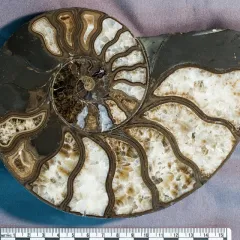
An extensive resource for both teachers and students, the Dynamic Earth provides
a wealth of information about the Earth. The interactive webpages are divided
into four sections based on the research conducted at the Museum: Plate Tectonics
and Volcanoes, Gems and Minerals, the Solar System, and Rocks and Mining.
Global Volcanism Program
The Smithsonian Institution's Global Volcanism Program (GVP) is devoted to
a better understanding of Earth's active volcanoes and their eruptions during
the last 10,000 years. Their website includes a dynamic map of the Earth,
maps and photos of volcanoes, and current updates on volcanic activity around
the world.
The
Splendor of Diamonds
The Splendor of Diamonds is an online exhibition introduces the
extraordinary features of seven diamonds.
Human Culture and Diversity
AnthroNotes
Published twice a year, this publication contains articles on current anthropological research by leading anthropologists, teaching activities and strategies, and reviews of teaching resources. To receive an electronic version of AnthroNotes, sign up at http://anthropology.si.edu/outreach/outrch1.html.
Department
of Anthropology Collections
Middle and high school students and their teachers can search the online collections
of the NMNH Department of Anthropology, including African objects. For photos
of artifacts and objects, use the advanced search option to narrow your search
to entries with pictures.
Anthropology Explored: Professional Enrichment Expand your professional knowledge of Anthropology with Anthropology Explored, a collection of 36 essays written in a light and easy-to-read style by some of the world’s leading anthropologists. The chapters trace the emergence of humans, describe archaeologists’ understanding of early settlements, and explore the diversity of past and present cultures.
African Voices Exhibition HomeThe exhibition homepage is an excellent source for learning about African history and culture. It also includes a learning center, with links to additional online resources.
Dread
History: the African Diaspora, Ethiopianism, and Rastafari
This online exhibition provides unique insight and information on the origins
and development of Rastafari culture, including an extensive collection of
photos.
Human Origins Program HomepageResearchers in the Human Origins Program are dedicated to understanding the biological and cultural foundations of human life. The program’s homepage provides excellent and detailed information about human evolution.
Department
of Anthropology Collections
Middle and high school students and their teachers can search the online collections
of the NMNH Department of Anthropology. For photos of artifacts and objects,
use the advanced search option to narrow your search to entries with pictures.
Dread
History: the African Diaspora, Ethiopianism, and Rastafari
This online exhibition provides unique insight and information on the origins
and development of Rastafari culture, including an extensive collection of
photos.
[ TOP ]